
Collecting Local Legends from Village Pubs and Cafes
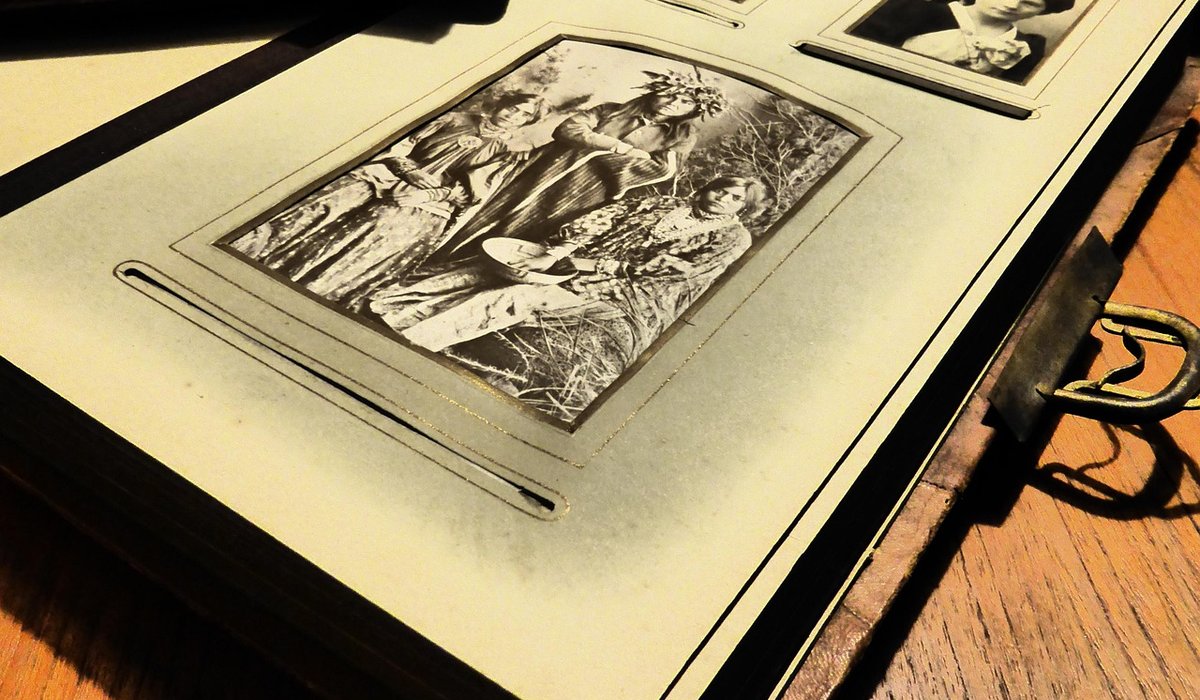
Every village pub and café holds a second history. It lives in the corner table, the landlady's anecdotes, the regulars who remember when the road was gravel and the bakery opened at five. For community groups, small businesses and writers, these informal tales are gold. But they are also fragile. A story told once, laughed at, and not written down can vanish with the next change of landlord. Your job is not to extract secrets but to create a comfortable space where memories can surface at their own pace.
Why the corner table is a story archive
Formal archives record dates and deeds. Pubs and cafés record texture: the exact weather on the night the river broke its banks, the name of the butcher who lent a horse, the reason two families didn't speak for a decade. That texture is what makes a local legend feel true. It also gives community projects and small businesses a voice that no corporate history can match. The trick is to treat the pub or café as a living room, not a research facility.
Setting the tone before you ask a single question
Trust is the whole game. Don't march in with a clipboard. Become a familiar face first.
- Ask the gatekeepers. Speak to the landlord, landlady or café owner. Explain what you're doing and ask when regulars are happiest to chat.
- Be honest about your purpose. Whether it's a community booklet, a heritage display or a novel, say so plainly. People are more generous when they know where their words might end up.
- Choose the quiet hours. Mid-afternoon or early evening often works better than a busy Friday night. Background noise ruins recordings and makes shy speakers retreat.
- Bring a small offering. A plate of biscuits for the café table, a round for the pub, or simply a sincere thank you. Reciprocity matters.
Conversation starters that open doors
Closed questions get yes or no. Open questions invite a scene.
- "What did this place look like when you first started coming here?" This invites sensory detail: the smell of coal smoke, the colour of the old sign, the jukebox that only played one record.
- "Who was the character everyone knew?" Every pub has one. The answer often leads to a chain of related tales.
- "What happened here that people still talk about?" This allows for legends, scandals, floods, football victories and quiet acts of kindness.
- "What's changed most since then?" Change is the engine of narrative. It reveals what people value.
- "Was there a story your parents told about this place?" This moves across generations and brings in family lore.
Listen for small, concrete details. Resist the urge to correct dates or facts. If someone says the old bakery burned down in 1962 and you know it was 1963, let it stand. Interrupting to correct breaks the trance of remembering.
Recording without breaking the spell
You don't need expensive kit. A mobile phone voice recorder is fine, but ask first.
- Ask permission out loud. "Would you mind if I recorded this? It's only for..." Then wait for a clear yes.
- Keep the phone visible. Don't hide it. Hidden recording feels like surveillance, not storytelling.
- Take written notes too. Names, places, dates, and phrases that catch your ear. Jot them discreetly so you don't stop the flow.
- Label your files straight away. Speaker's name, date, location, and a one-line summary. Future you will be grateful.
- Offer a copy. If they want the recording, send it. If they don't, delete it after you've transcribed what you need.
If the conversation wanders, let it. The best material often arrives in the pauses. A story about a lost wedding ring might lead to a tale about the village blacksmith, which leads to a legend about a ghostly horse. Follow the threads.
Crediting people properly and respectfully
Credit is not just polite; it's part of the narrative craft. When you name the teller, you show that the story has roots.
- Use the name they prefer. "Mrs Patel" or "Annie" or "Old Tom from the allotments" — ask which they want in print.
- Describe their connection. "Annie, who ran the café for thirty years" gives authority and warmth.
- Ask before you publish sensitive details. Illness, family disputes, legal troubles. Give them a chance to say "leave that bit out."
- Share the final piece with them. A draft, a proof, a printed copy. Let them see how their words sit in the wider story.
- Say thank you publicly. In a community booklet, on a café noticeboard, or in the acknowledgements of your book.
If someone asks to remain anonymous, honour that absolutely. Use "a regular" or "a former landlady" and change small identifying details if needed. Trust, once broken, closes the door for every collector who follows.
Weaving collected tales into your own work
Now comes the craft. You have raw material: voices, gestures, half-finished sentences, laughter.
- Keep the teller's rhythm. If they said "and then, well, you know," consider keeping that hesitation. It carries character.
- Anchor each tale in place. Mention the pub's name, the café's window, the lane behind the church. Specificity makes legends believable.
- Layer voices. Let two people remember the same event differently. That tension is more truthful than a single tidy account.
- Respect the difference between fact and legend. You can present a story as "the tale they still tell" without claiming it happened exactly that way.
- Give back to the community. A small exhibition, a Story Supper, a printed collection in the café. Stories thrive when they circulate.
Most of all, keep listening. The village pub and café are not museums; they are living rooms. The legends are still being made, over a pint, over a pot of tea, one sentence at a time. Your role is to be a good guest, a careful recorder, and a generous teller in turn.


Gather photographs, quotes, and objects to create a modest display that celebrates local history and sparks new conversations.
Learn to adapt traditional stories while keeping their heart, rhythm, and local resonance intact for today's audiences with care.
Discover how repeated phrases and steady pacing help listeners follow your tale and remember key moments long after.
Explore gentle techniques that keep an audience curious, from delayed details to unanswered questions and careful pauses in conversation.